STRUM Report: April–May 2026
In April and May, Azov kept up its daily work of holding the enemy back. And STRUM kept doing what it does: supplying the brigade with everything it needs, without gaps or delays.
Raised and spent
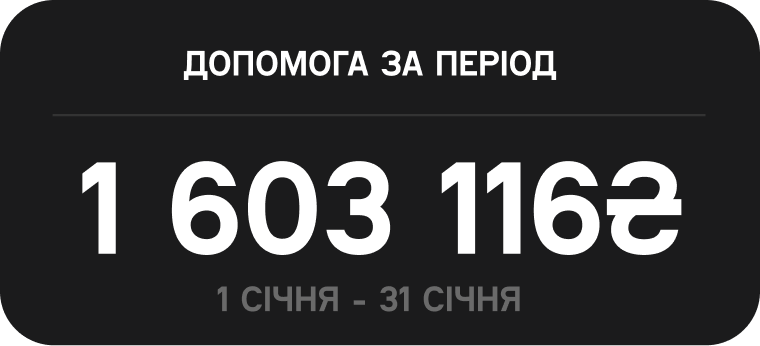
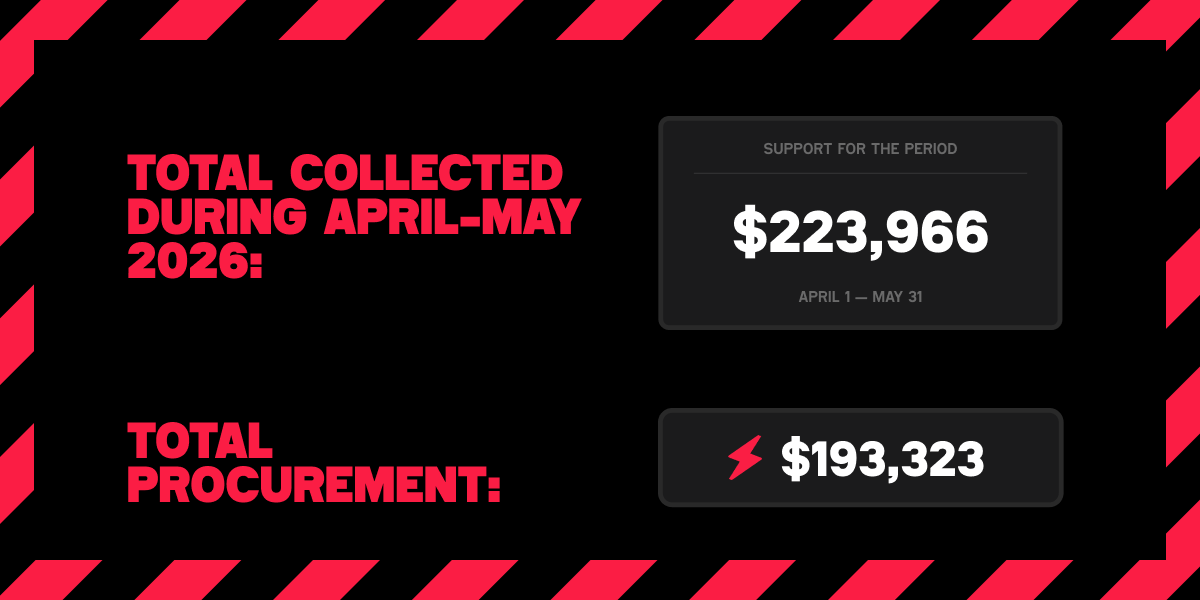
Over two months your subscriptions brought in $223,966: $108,195 in April and $115,771 in May. More than 2,000 new subscribers joined the STRUM community, and the network keeping the brigade powered keeps growing.
That money has already turned into specific equipment in specific hands. We fulfilled requests from five brigade units and paid for repairs to the brigade's vehicles, $193,323 in total.
Procurement
Here is how the funds were distributed across unit requests.
Unmanned Systems Battalion
Over these two months we fulfilled three separate requests from the battalion.
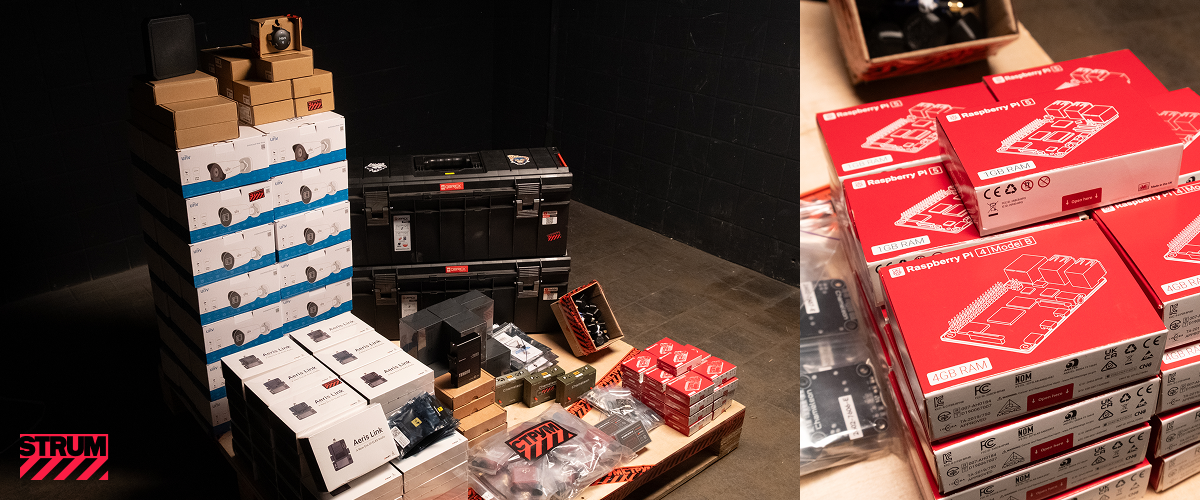
The first request — $55,656. Mostly control and communication gear: over five hundred control receivers, transmitters, and ground stations with video decoders. Plus surveillance cameras and hardware to run the antennas.
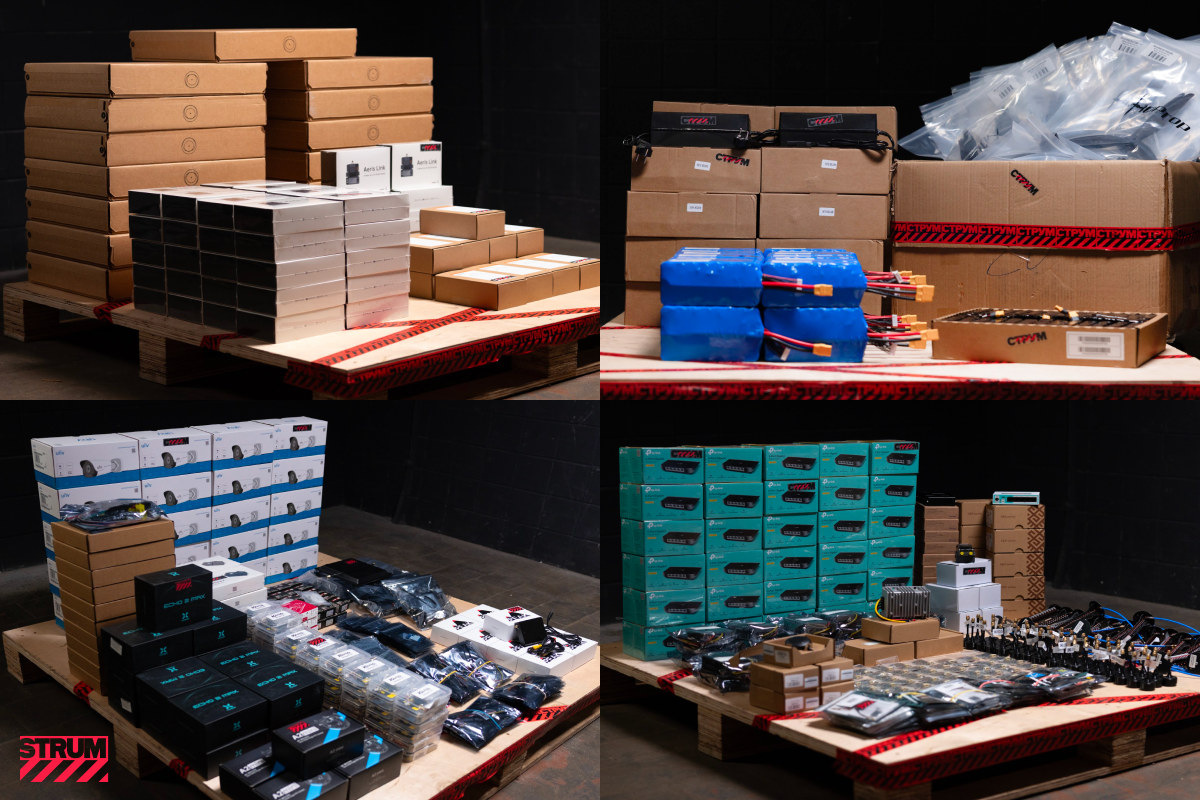
The second request — $63,837. Video receivers and video transmitters, 150 antennas across different frequency bands, signal encoders, along with Starlink Mini terminals, batteries, voltage converters and network hardware for the ground segment. All of it for video link and power.
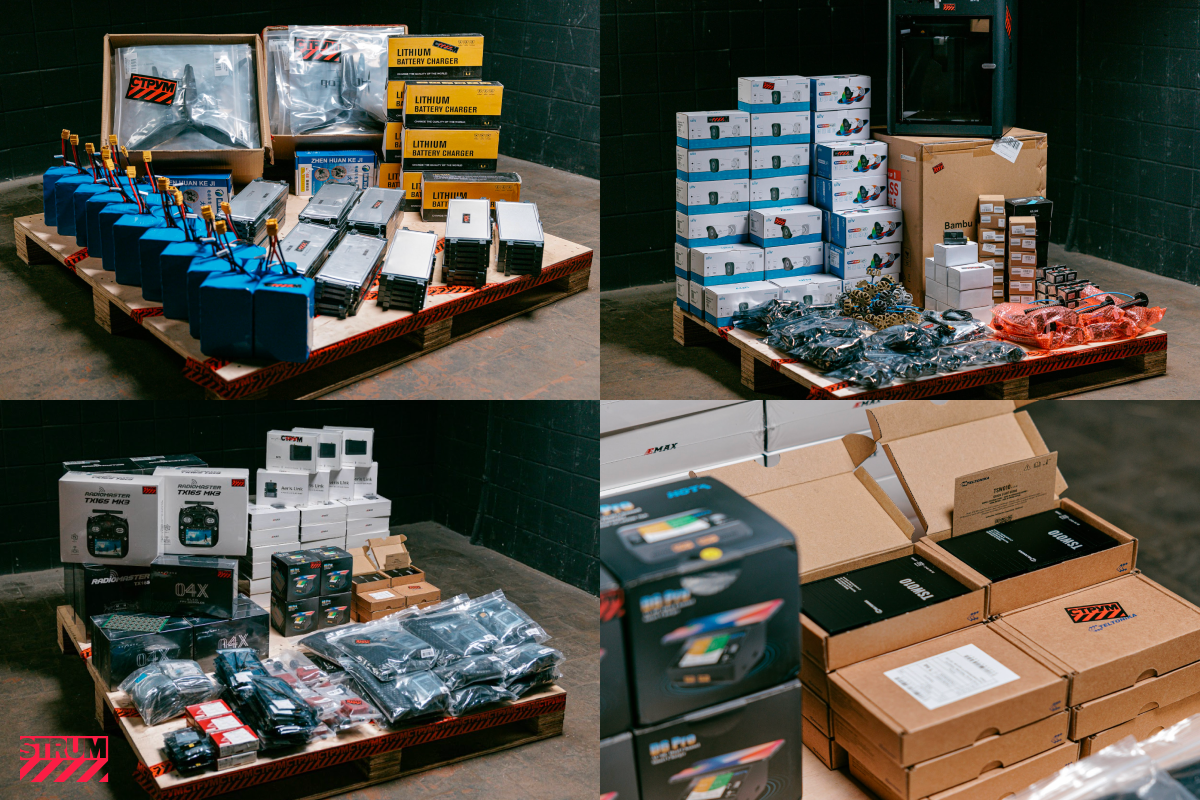
The third request — $43,089. Crew kit and repair capacity: goggles, monitors and handheld controllers, 1,500 battery cells for assembling packs, and 3D printers so the unit can print some of its own components on site.
Purchased across the two months:
- Control receivers (RX) — 710 units;
- Video receivers (VRX) — 185 units;
- Control transmitters (TX) — 152 units;
- Video transmitters (VTX) — 70 units;
- Antennas (various types and frequencies) — 264 units;
- Antenna rotators — 2 units;
- Video signal encoders — 100 units;
- Video signal decoders with ground stations — 14 units;
- IP video cameras — 100 units;
- FPV cameras — 10 units;
- FPV monitors — 3 units;
- FPV goggles — 5 units;
- Handheld controllers — 8 units;
- Flight controllers — 25 units;
- Control units — 20 units;
- Motor controllers — 10 units;
- Servos — 120 units;
- GPS modules — 38 units;
- Propellers — 160 units;
- Battery packs — 137 units;
- Battery cells — 1,500 units;
- Power modules — 160 units;
- Voltage converters — 25 units;
- Chargers — 32 units;
- Starlink Mini terminals — 50 units;
- Microcomputers — 51 units;
- Network switches — 64 units;
- Routers — 10 units;
- Video converters — 10 units;
- Radio signal power meters — 2 units;
- 3D printers — 2 units.
Equipment bought in April and May came to $162,582. Modern war keeps rewriting the rules of air combat and of how drones and UGVs get used. A lot of this hardware turns into a consumable when a crew has to run dozens of flight or logistics missions in a single day, with their positions under constant enemy fire.
You can watch some of the battalion's recorded work — strikes on enemy personnel and materiel in May 2026 — at this link.
Medical Company
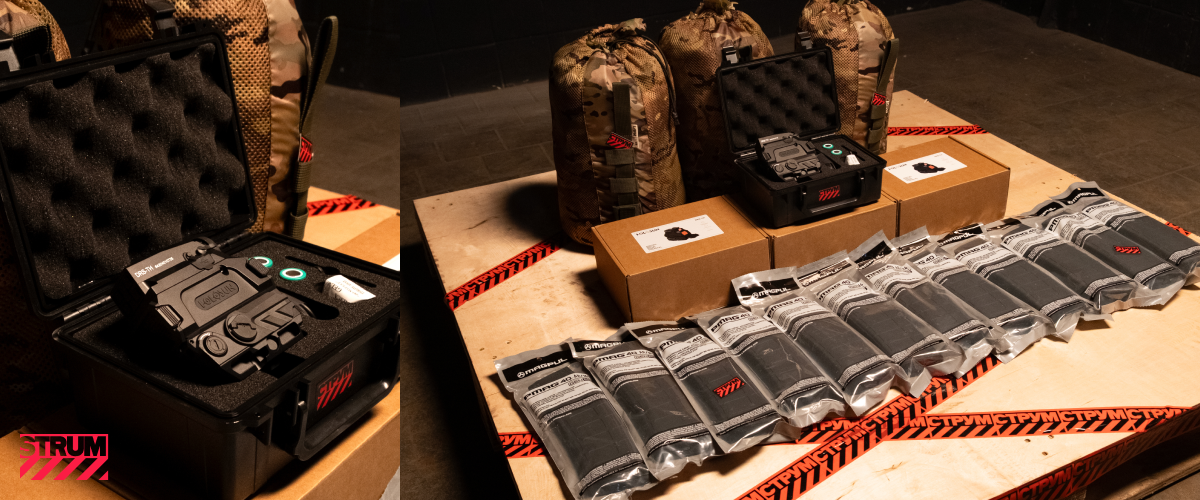
Personal equipment for the medics — $9,110:
- Red dot sights — 3 units;
- Camouflage suits — 3 units;
- 40-round magazines — 12 units.
This gear lets Azov's combat medics do their job on the battlefield more effectively.
1st Special Purpose Battalion
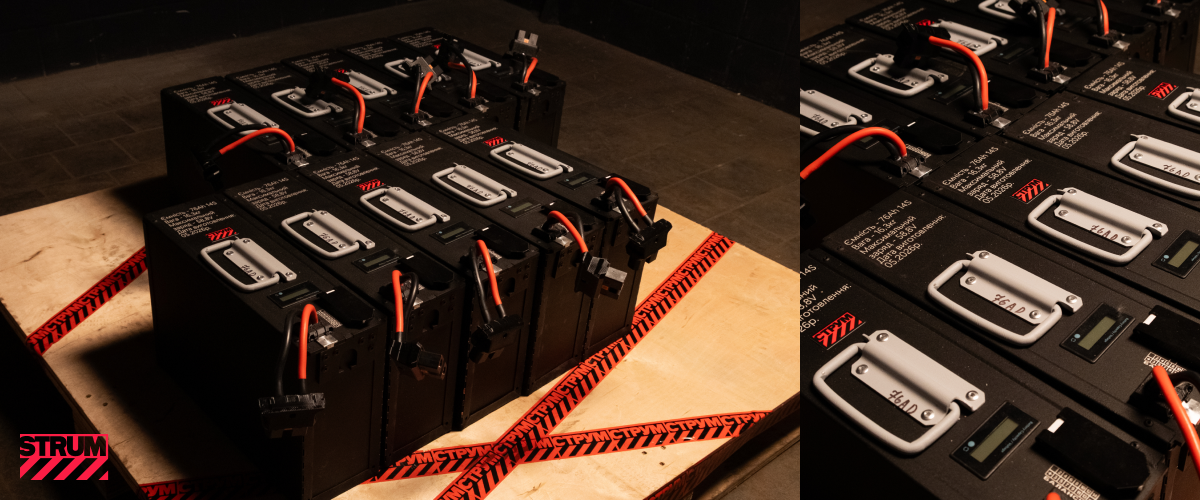
Battery assemblies for the battalion (10 units) — $7,174. Constant power for every electronic device and system is the one condition that keeps the unit autonomous and running without breaks.
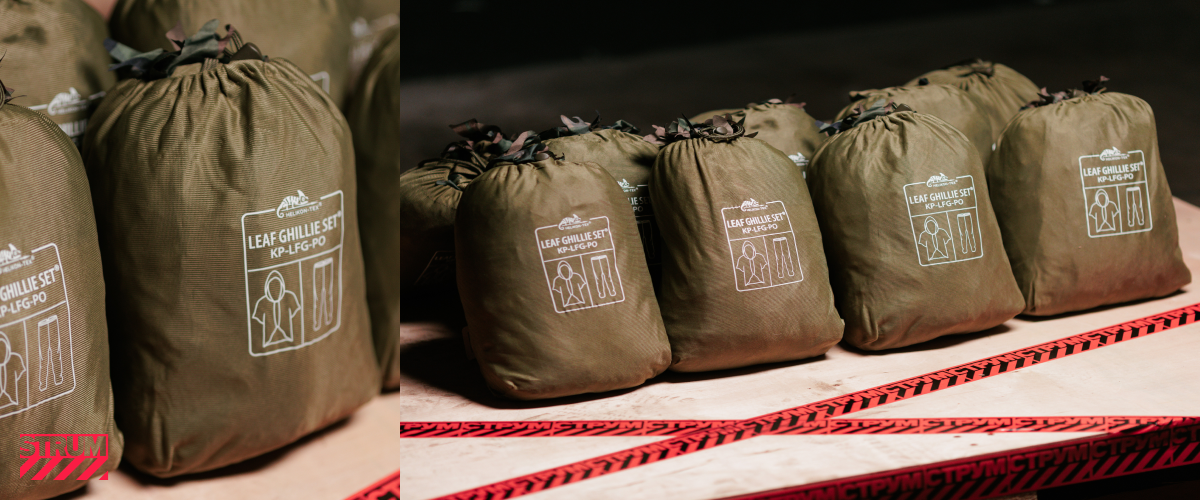
Camouflage suits (10 units) — $1,035. This kit keeps the battalion's scouts invisible to the enemy while they work.
Brigade's Signal Service
Starlink Mini terminals (11 units) — $4,459.
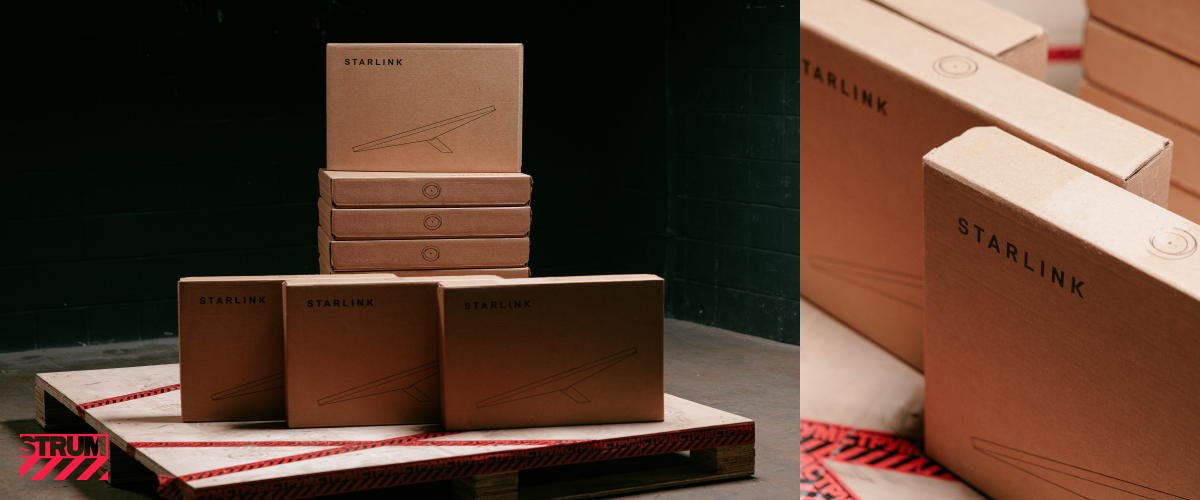
One of the most frequent line items in procurement, for STRUM and for AZOV.ONE as a whole. This period, alongside the deliveries to the unmanned systems battalion, we handed a batch to the signal service, which distributes them across brigade units.
2nd Special Purpose Battalion
Power cell (1 unit) — $2,164
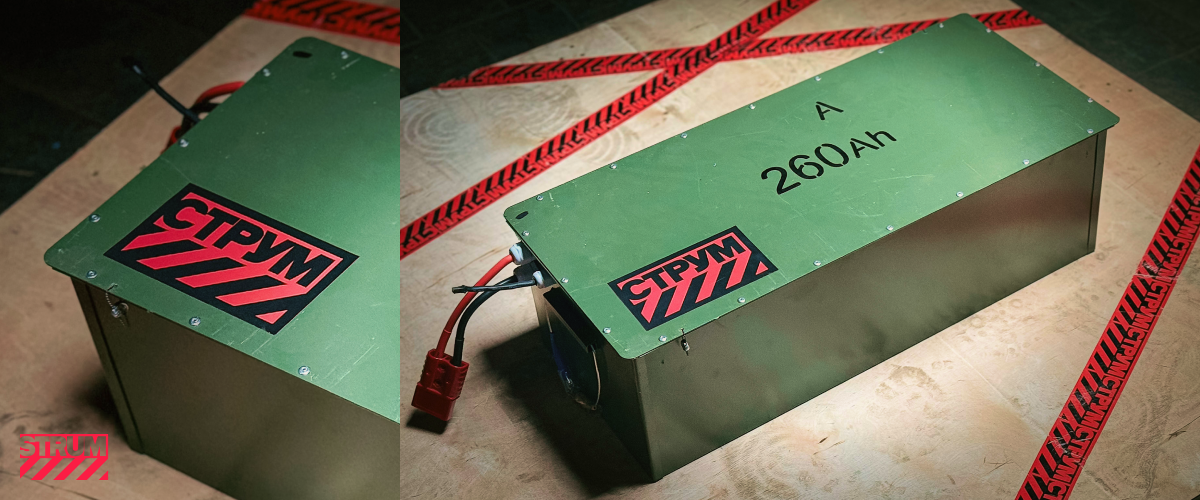
A high-capacity power cell that, paired with an inverter, will keep electricity running without interruption at the battalion unit's positions.
Vehicle repairs
Beyond the combat units' requests, STRUM also covered vehicle repairs on time. It is the least spectacular part of the work, and it is what keeps the brigade mobile and the logistics moving.
Spare parts for pickups and trucks: $4,752 in April and $2,042 in May, $6,794 total.
That closes the April–May report. Thank you to everyone who takes the time to read our reporting.
And thank you to every single person who stays part of the network. Your monthly support is what builds a reliable financial buffer, and what gets the brigade's soldiers their equipment without delays.